
A professional sofa cleaning service is often viewed as something people book only when a sofa looks visibly dirty. In reality, sofa cleaning plays a much larger role in how furniture ages, performs, and remains comfortable over time. Sofas are one of the most heavily used items in any home, yet they are rarely maintained with the same consistency as floors or bedding. Without proper care, even the most expensive sofa can lose its comfort, texture, and appearance far sooner than expected.
Everyday use leaves behind more than crumbs or stains. Body oils, dust, and fine particles slowly embed themselves into upholstery fibres. These substances are not always visible, but they affect how fabric feels and wears over time. A reliable sofa cleaning service focuses on removing this buildup before it causes permanent damage, helping homeowners protect their furniture investment while maintaining a comfortable living space.
Why Sofas Deteriorate Faster Than Other Furniture
Sofas are designed for comfort, which means they are made of soft materials that absorb pressure and movement. Cushions compress repeatedly. Fabric stretches and relaxes throughout the day. These natural actions push dirt and residue deeper into the upholstery with every use.
Unlike hard furniture surfaces, fabric does not allow dirt to sit loosely on top. Instead, particles become trapped between fibres. Over time, these particles act as abrasives, slowly weakening the fabric from within. This is why sofas often feel worn or flattened even when they look relatively clean.
A professional sofa cleaning service removes these internal stressors. By extracting embedded dirt and residue, deep cleaning helps slow down fabric fatigue and keeps upholstery in better condition for longer.
Surface Cleaning Versus Proper Sofa Care
Vacuuming and wiping are useful habits, but they are limited in what they can achieve. Most household vacuum cleaners remove only loose surface dust. They do not have the suction power to extract dirt that has settled deep inside the cushions and padding.
Surface cleaning can sometimes make the problem worse. When moisture or cleaning products are applied incorrectly, residue may be pushed deeper into the fabric. Over time, this creates stiffness, uneven colour, or a sticky texture.
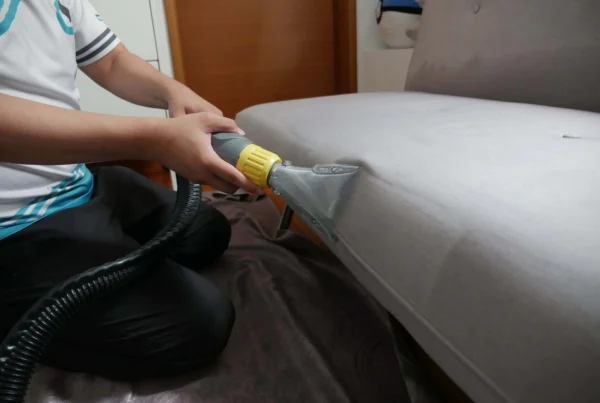
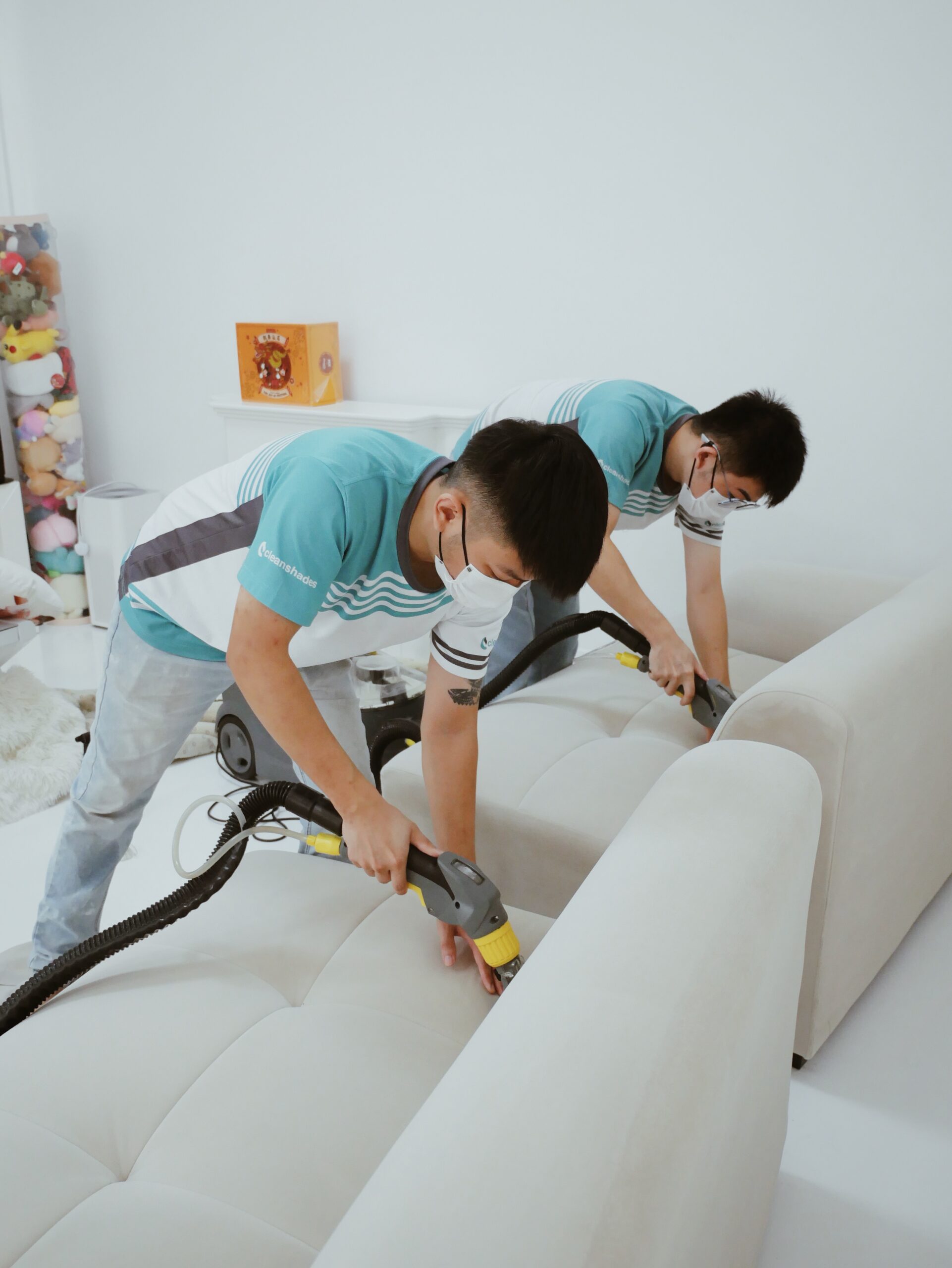
A professional sofa cleaning service uses controlled techniques designed specifically for upholstery. These methods clean beneath the surface while ensuring that moisture and residue are fully removed, not left behind to cause further deterioration.
Fabric Wear and Loss of Texture
One of the earliest signs that a sofa needs professional attention is a change in texture. Fabric may feel rougher, flatter, or less breathable. This change is often mistaken for natural ageing, but in many cases it is caused by accumulated dirt and oils coating the fibres.
A proper sofa cleaning service removes these coatings. Once residue is extracted, fabric regains its original softness and flexibility. This is especially noticeable on armrests, seat cushions, and headrest areas where contact is frequent.
Restoring texture is not about making a sofa look new again. It is about preserving the comfort it was designed to provide.
Colour Dullness and Uneven Appearance
Over time, sofas can lose their colour depth even without obvious stains. Light fabrics may appear grey or yellowed, while darker fabrics can look faded or patchy. This happens because residue builds up unevenly across the surface, altering how light reflects off the fabric.
A professional sofa cleaning service removes this residue evenly across the upholstery. After deep cleaning, colours appear more balanced and refreshed. Many homeowners are surprised by how much brighter their sofa looks without any fabric replacement or reupholstery.
This improvement is not cosmetic alone. It indicates that the fabric is no longer coated with contaminants that accelerate wear.
Cushion Performance and Internal Cleanliness
Cushions do more than provide comfort. They support posture, distribute weight, and absorb movement. When dirt accumulates inside cushions, it restricts the natural movement of the padding and foam.
Over time, dirty cushions feel heavier and less responsive. This is often mistaken for foam degradation, but in many cases the issue is internal contamination. A sofa cleaning service that includes deep extraction removes dirt from within the cushion structure, allowing it to function more naturally again.
While deep cleaning cannot restore worn-out foam, it can significantly improve cushion performance by removing unnecessary internal buildup.
Odour Control Through Proper Cleaning
Persistent sofa odours rarely come from a single incident. They develop gradually as oils, sweat, and organic particles accumulate inside the upholstery. Bacteria feed on this residue, producing unpleasant smells that are difficult to eliminate with surface treatments.
Sprays and deodorisers only mask odours temporarily. A professional sofa cleaning service removes the source of the smell by extracting the residue that bacteria rely on. This results in a neutral-smelling sofa rather than one that is heavily scented.
True cleanliness is indicated by the absence of odour, not the presence of fragrance.
The Impact of Climate on Sofa Maintenance
In humid environments, moisture remains in fabric longer. This increases the risk of residue breakdown, bacterial growth, and fabric deterioration. Even in air-conditioned homes, humidity fluctuations can affect upholstery over time.
A professional sofa cleaning service takes climate conditions into account. Controlled moisture use and proper extraction ensure that cleaning does not leave behind dampness that could worsen fabric issues. Effective drying is an essential part of proper sofa care.
Maintaining upholstery in such conditions requires more than occasional surface cleaning. Deep cleaning plays a key role in long-term fabric health.
Sofa Cleaning Service as Preventive Maintenance
Many homeowners wait until a sofa looks dirty before booking cleaning. By that time, residue has often been embedded for years. Preventive cleaning focuses on removing buildup early, before it causes visible damage or discomfort.
Scheduling a sofa cleaning service regularly helps maintain stable fabric condition. Dirt does not have time to harden or bond permanently with fibres. This makes each cleaning session more effective and reduces long-term wear.
Preventive maintenance is more cost-effective than reactive repair or replacement.
Different Upholstery Types Require Different Care
Not all sofas age the same way. Cotton absorbs oils quickly. Synthetic blends trap fine dust. Leather accumulates surface oils that can dry and crack if not removed properly.
A professional sofa cleaning service adjusts its methods based on upholstery type. Fabric sofas benefit from deep extraction that removes embedded dirt. Leather sofas require gentle cleaning followed by conditioning to maintain flexibility.
Using incorrect cleaning methods can shorten a sofa’s lifespan. Proper care preserves both appearance and structure.
Sofa Cleaning Service in Multi-Use Living Spaces
Modern homes often use sofas for more than sitting. Sofas may double as workspaces, resting areas, or even temporary sleeping surfaces. This increases exposure to oils, moisture, and pressure.
In such environments, a sofa cleaning service becomes even more important. Regular deep cleaning prevents accelerated wear caused by increased usage. It ensures that flexibility in living arrangements does not lead to faster furniture deterioration.
Clean upholstery supports adaptable living without sacrificing comfort.
Psychological Comfort of a Well-Maintained Sofa
People respond to how furniture feels as much as how it looks. A sofa that feels sticky, stiff, or worn creates subtle discomfort, even if the issue is not immediately obvious.
After professional cleaning, many homeowners report that their living space feels more inviting. They sit more comfortably, relax more easily, and feel more confident hosting guests. A sofa cleaning service restores not just the furniture, but also confidence in the space.
This psychological comfort is an important but often overlooked benefit of proper sofa care.
Choosing the Right Sofa Cleaning Service
Not all cleaning providers approach upholstery with the same level of care. A reliable sofa cleaning service focuses on long-term fabric health rather than quick cosmetic results.
Look for providers who explain their methods clearly, use controlled moisture, and prioritise thorough extraction. Experience with different upholstery types is essential to avoid damage.
Choosing the right service ensures that cleaning extends the life of your sofa rather than shortening it.
Maintaining Sofa Condition Between Professional Cleanings
Daily habits support long-term maintenance. Regular vacuuming removes loose dust. Rotating cushions distributes wear evenly. Avoiding sitting on sofas with wet clothing reduces moisture exposure.
These habits work best when combined with a professional sofa cleaning service. Surface care slows dirt accumulation, while deep cleaning removes what surface care cannot.
Together, they form a complete maintenance approach.
Learn more about mattress care and maintenance here.
Sustainability and Responsible Furniture Care
Replacing sofas frequently contributes to unnecessary waste. Maintaining existing furniture through proper care is a more sustainable choice.
A sofa cleaning service helps extend the usable life of upholstery, reducing the need for disposal and replacement. This aligns with responsible consumption and long-term home care.
Maintained furniture retains value, comfort, and function for years beyond what neglect would allow.
For general fabric care guidance, you may reference.
Conclusion
A sofa cleaning service is not just about cleanliness. It is about preservation, comfort, and responsible ownership. By removing embedded dirt and residue, deep cleaning protects upholstery from premature wear and helps sofas maintain their intended comfort and appearance.
Regular professional care supports fabric health, improves daily comfort, and extends furniture lifespan. When treated as routine maintenance rather than a last resort, sofa cleaning becomes an essential part of keeping a home functional and comfortable.
A well-maintained sofa does not demand attention. It simply continues to serve its purpose quietly and reliably.
A professional sofa cleaning service does more than refresh how a sofa looks on the surface. It removes embedded dirt, residue, and buildup that develop through daily use, helping sofas remain clean, comfortable, and well maintained over time. Deep cleaning is especially important for upholstered furniture that absorbs dust, oils, and moisture deep within its fabric.
Sofa deep cleaning is not about fixing visible problems. It is about slowing down the natural ageing process of upholstery. Every sofa ages, but how fast it ages depends largely on how it is maintained. Deep cleaning removes the substances that quietly wear down fabric fibres from the inside, preserving both appearance and comfort for much longer.
How Everyday Use Slowly Ages a Sofa
Every sofa experiences daily stress. People sit down with different weights and movements. Children jump and play. Pets curl up and shed fur. Fabric stretches, compresses, and rebounds repeatedly. This constant motion pushes dust, oils, and debris deeper into the upholstery.
Unlike hard surfaces, fabric traps what settles on it. Body oils cling to fibres. Dust particles act like fine sand, rubbing against the fabric whenever someone sits or shifts position. Over time, this friction causes fibres to weaken and flatten. This is why sofas often look worn even when there are no obvious stains.
Sofa deep cleaning removes these abrasive particles before they permanently damage the fabric. By extracting dirt from deep within the upholstery, deep cleaning reduces internal wear that cannot be reversed once fibres break down.
Why Surface Cleaning Is Not Enough
Vacuuming is an important habit, but it only addresses the top layer of dirt. Most household vacuum cleaners do not have the power to pull contaminants from deep inside cushions and padding. Wiping the surface with a cloth may remove visible marks, but it can also push oils and residue further into the fabric.
Over time, this creates a layered problem. The surface may appear clean, but underneath it lies a buildup of residue that stiffens fabric and dulls colour. This is why sofas that are regularly vacuumed can still feel heavy or look faded.
Sofa deep cleaning works differently. It targets the layers beneath the surface, removing dirt that standard cleaning methods leave behind. This resets the fabric, allowing it to breathe and regain its natural feel.
Fabric Ageing and Colour Dullness
One of the earliest signs that a sofa needs deep cleaning is colour change. Fabric may not look dirty, but it no longer looks fresh. Light-coloured sofas turn greyish. Dark fabrics lose depth and richness.
This happens because dirt and oils coat the fibres unevenly, affecting how light reflects off the surface. Even small amounts of residue can alter the way fabric appears.
Through sofa deep cleaning, these coatings are removed. Fabric colours appear clearer and more even. This is often why sofas look visibly refreshed after deep cleaning, even when no major stains were present.
Cushion Comfort and Internal Cleanliness
Cushions are the most used part of any sofa. They absorb pressure repeatedly and are the primary collectors of internal dirt. Over time, dirty cushions feel flatter and less supportive, not only because of foam compression but also because of residue buildup inside the padding.
Sofa deep cleaning extracts dirt from within the cushion structure, not just the cover. This improves how cushions respond to weight and movement. While deep cleaning does not replace worn foam, it often restores some of the original comfort by removing internal contamination that restricts flexibility.
This is especially noticeable in sofas that feel stiff or sticky despite appearing clean on the outside.
Sofa Deep Cleaning and Odour Prevention
Odours in sofas rarely come from a single spill. More often, they develop slowly from accumulated oils, moisture, and organic particles trapped in the fabric. Air fresheners may mask the smell temporarily, but the source remains.
Deep cleaning addresses odours at their origin. Sofa deep cleaning removes the residue that bacteria feed on, preventing smells from returning. This is why professionally cleaned sofas smell neutral rather than perfumed.
Neutral freshness is a sign that the sofa is actually clean, not just scented.
The Role of Humidity in Sofa Maintenance
In humid environments, fabric retains moisture longer. This affects how quickly residue breaks down and how easily bacteria multiply. Sofas in such conditions require deeper and more consistent care.
Moisture trapped in upholstery accelerates fabric ageing and odour development. Sofa deep cleaning includes controlled moisture removal, ensuring that cleaning does not leave behind dampness that could worsen the problem.
Proper drying is just as important as cleaning itself. A professionally cleaned sofa should feel dry and comfortable within hours, not days.
Why Deep Cleaning Extends Sofa Lifespan
A sofa is an investment. Replacing it frequently is costly and unnecessary if it is maintained properly. Deep cleaning removes the elements that cause premature wear, helping upholstery last longer.
By scheduling sofa deep cleaning regularly, homeowners reduce fabric breakdown, maintain cushion comfort, and preserve structural integrity. This delays the need for reupholstery or replacement, saving money over time.
From a long-term perspective, deep cleaning is part of responsible furniture ownership.
Sofa Deep Cleaning for Different Upholstery Types
Different fabrics age differently. Cotton absorbs oils quickly. Synthetic blends trap fine dust. Leather accumulates body oils on the surface, which can dry and crack if not removed.
Professional sofa deep cleaning adjusts methods based on material type. Fabric sofas benefit from extraction cleaning that removes embedded dirt. Leather sofas require gentle cleaning and conditioning to maintain flexibility.
Understanding these differences is key to effective maintenance. Using the wrong method can shorten a sofa’s lifespan instead of extending it.
The Difference Between Cleaning for Appearance and Cleaning for Care
Many cleaning decisions are driven by appearance. People clean when something looks dirty. Sofa deep cleaning takes a different approach. It focuses on care rather than correction.
Caring for a sofa means cleaning it before problems become visible. This prevents irreversible damage and keeps the sofa consistently comfortable and presentable.
Sofa deep cleaning is most effective when it is scheduled regularly, not only when stains or odours appear.
How Often Sofa Deep Cleaning Should Be Done
For most households, deep cleaning every six months is sufficient to maintain sofa condition. Homes with higher usage may benefit from more frequent cleaning.
The key is consistency. Regular sofa deep cleaning prevents heavy buildup and keeps fabric in stable condition. Skipping deep cleaning for years allows dirt to harden and embed deeply, making restoration more difficult.
A maintenance mindset produces better long-term results than reactive cleaning.
Sofa Deep Cleaning in Multi-Use Living Spaces
Modern homes often use sofas for more than sitting. They become workspaces, rest areas, and sometimes sleeping spots. This increases exposure to oils, sweat, and debris.
Sofa deep cleaning becomes especially important in these multi-use spaces. It ensures that increased usage does not translate into faster deterioration.
Clean upholstery supports flexible living without sacrificing comfort or cleanliness.
The Psychological Effect of a Well-Maintained Sofa
People respond differently to spaces that feel well cared for. A clean, comfortable sofa encourages relaxation. A worn or sticky sofa creates subtle discomfort, even if people cannot identify why.
Deep cleaning restores not just the sofa but also confidence in the space. Homeowners feel more comfortable inviting guests and using the living room freely.
This psychological comfort is an often overlooked benefit of sofa deep cleaning.
Choosing a Sofa Deep Cleaning Service That Focuses on Care
Not all cleaning services approach sofas with a maintenance mindset. Some focus only on visible results. A proper deep cleaning service prioritises fabric preservation, moisture control, and long-term care.
When choosing a sofa deep cleaning provider, look for experience with upholstery, clear explanation of methods, and attention to drying. These factors determine whether cleaning helps or harms the sofa over time.
Maintaining Sofa Condition Between Deep Cleaning Sessions
Daily habits still matter. Vacuuming reduces surface dust. Avoiding sitting on sofas with wet clothing limits moisture exposure. Rotating cushions distributes wear evenly.
However, these habits complement but do not replace sofa deep cleaning. Internal residue still accumulates and must be removed professionally to maintain fabric health.
Conclusion – Sofa Deep Cleaning as Smart Home Care
Sofa deep cleaning is not about fixing problems. It is about preventing them. It preserves fabric, protects comfort, and extends the life of furniture that plays a central role in daily living.
By treating sofa deep cleaning as routine maintenance rather than occasional repair, homeowners keep their sofas looking and feeling newer for longer. The result is a living space that remains comfortable, presentable, and enjoyable year after year.
A sofa that is deeply cleaned regularly does not just last longer. It stays pleasant to live with.