
Not All Sofas Are Created Equal: Understanding Your Sofa Fabric Before Cleaning
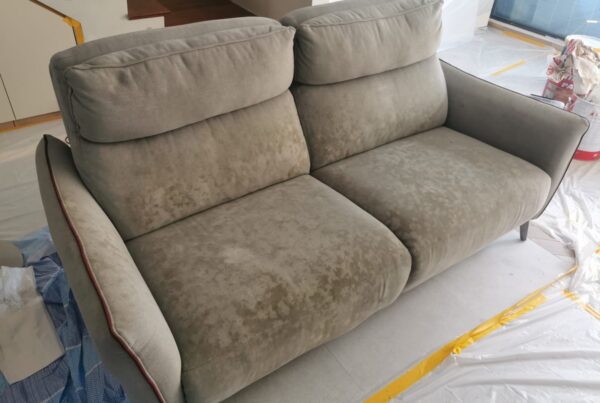
Two sofas can look almost identical but require completely different cleaning methods. One may have tightly woven polyester upholstery, while another uses delicate linen, cotton blends or textured fabric. Although both serve the same purpose in a living room, their materials can respond differently to moisture, cleaning solutions and everyday wear. This is why Sofa Deep Cleaning Singapore should begin with understanding the upholstery rather than assuming every sofa can be cleaned using the same procedure.
For many homeowners, choosing a sofa begins with appearance, comfort and colour. Fabric maintenance often becomes a consideration only after the first spill, stain or noticeable change in texture.
Yet upholstery material plays a significant role in how easily a sofa can be maintained, how it responds to cleaning and what homeowners should expect from professional treatment.
Understanding your sofa’s fabric can help you make better decisions about daily maintenance, stain management and professional deep cleaning.
Why Sofa Fabric Matters More Than You Think
When shopping for a sofa, it is easy to focus on how the fabric feels. Some materials are smooth and soft, while others have a textured weave or slightly rougher finish. These characteristics influence comfort and appearance, but they also affect how the upholstery interacts with dust, moisture and cleaning products.
Different fabrics have different fibre structures, absorbency levels and manufacturing treatments. Some synthetic materials are relatively resistant to everyday staining, while certain natural fibres may absorb moisture more readily.
However, fabric performance cannot be determined by fibre type alone. The weave, backing, dyes and protective treatments can also influence how a sofa responds to cleaning.
For this reason, professional upholstery care should consider the complete fabric construction rather than relying only on whether the material is described as cotton, polyester or linen.
Sofa Deep Cleaning Singapore: Why One Method Does Not Fit Every Fabric
A common misconception is that stronger cleaning produces better results. In reality, effective upholstery cleaning depends on selecting a suitable method for the material.
Some sofas can tolerate controlled wet extraction, while others require low-moisture or specialised cleaning procedures.
Applying excessive moisture to unsuitable upholstery may cause problems such as water marks, shrinkage, colour migration or changes to the fabric’s texture.
Professional Sofa Deep Cleaning Singapore should therefore begin with identifying the material, checking the manufacturer’s care instructions where available and assessing the condition of the upholstery.
The goal is to remove accumulated residue while preserving the appearance and integrity of the fabric.
Polyester Sofas: Popular for Practical Reasons
Polyester is commonly used in upholstered furniture because it offers versatility, durability and a wide range of textures.
Some polyester sofas have smooth surfaces, while others are designed to resemble natural fabrics. Many households choose polyester upholstery because it can be relatively practical for everyday use.
However, polyester does not automatically mean stain-proof.
Body oils, food residue and accumulated dust can still affect its appearance. Certain polyester weaves may also hold onto pet hair or develop visible marks after repeated contact.
Regular vacuuming helps remove loose debris, while appropriate professional cleaning can address residue that has accumulated within the upholstery.
The specific cleaning procedure should still depend on the fabric construction, backing and manufacturer’s instructions.
Cotton Upholstery: Comfortable but Sensitive to Moisture
Cotton is valued for its natural feel and breathable characteristics. It can create a relaxed, comfortable appearance that works particularly well in casual living rooms.
However, cotton upholstery may be more absorbent than some synthetic alternatives.
This means liquid spills can penetrate the fabric, while unsuitable wet cleaning may contribute to shrinkage, water marks or colour changes.
Homeowners should be particularly cautious about saturating cotton upholstery with household cleaning products.
A small stain may seem easy to treat, but applying excessive moisture can sometimes create a larger visible mark.
When arranging Sofa Deep Cleaning Singapore for cotton upholstery, the cleaning provider should assess the material and determine whether the proposed method is appropriate.
Linen Sofas: Beautiful Texture, Thoughtful Maintenance
Linen upholstery is often associated with minimalist interiors and natural textures.
Its slightly irregular weave gives furniture a distinctive appearance, particularly in neutral-coloured living rooms.
However, linen can require careful handling.
Depending on the fabric construction and finish, moisture may affect its appearance, and aggressive rubbing can disturb the texture.
This makes DIY stain removal particularly risky when homeowners are unfamiliar with the upholstery.
Regular gentle vacuuming can help manage loose dust. For deeper cleaning, the method should be selected based on the manufacturer’s care instructions and the fabric’s condition.
Professional cleaning is about matching the procedure to the material, rather than treating delicate upholstery more aggressively.
Velvet Sofas: Why Texture Changes Everything
Velvet sofas can make a living room feel luxurious because of their distinctive surface and the way they reflect light.
Unlike ordinary flat-woven upholstery, velvet has a raised pile that creates its characteristic softness and visual depth.
This pile also changes how the fabric should be maintained.
Pressure, rubbing and moisture can affect the direction and appearance of the fibres. Some velvet materials are particularly sensitive to water, while others are manufactured using more durable synthetic fibres.
This is why homeowners should avoid assuming that all velvet sofas can be cleaned using ordinary water extraction.
Before arranging professional cleaning, identify the fabric composition and check whether wet cleaning is permitted.
For certain velvet upholstery, specialised cleaning methods may be more appropriate than conventional deep extraction.
Bouclé Sofas: The Challenge of Textured Upholstery
Bouclé has become a popular upholstery choice because of its soft, looped texture and distinctive appearance.
The fabric creates visual interest even when the sofa is a simple neutral colour.
However, those loops and textured surfaces can also make routine maintenance more challenging.
Crumbs, hair and fine particles may settle between the raised fibres. Aggressive brushing can potentially disturb the loops, while unsuitable cleaning may affect the texture.
Gentle vacuuming with an appropriate attachment is useful for removing loose debris.
When professional cleaning is required, the upholstery should be assessed carefully to determine how the material can be treated without damaging its surface.
Sofa Deep Cleaning Singapore should account for these differences rather than assuming textured fabrics behave like ordinary flat-woven polyester.
Microfibre Sofas: Practical but Still Require Care
Microfibre upholstery is often chosen for its soft feel and relatively practical maintenance characteristics.
The fabric is made using very fine synthetic fibres, creating a dense surface that can resist some forms of everyday soiling.
However, microfibre sofas can still accumulate body oils, dust and stains.
Certain microfibre materials may also develop visible water marks when cleaned incorrectly.
This is why checking the manufacturer’s care code is important.
Some microfibre upholstery can be cleaned with water-based methods, while other versions require solvent-based treatment.
The term “microfibre” alone does not provide enough information to determine the safest cleaning procedure.
Understanding Your Sofa’s Cleaning Code
One of the most useful pieces of information about your sofa may be hidden underneath it.
Many upholstered furniture manufacturers include a care label that identifies the recommended cleaning approach.
Common upholstery cleaning codes include:
| Code | General meaning |
|---|---|
| W | Water-based cleaning methods may be suitable |
| S | Solvent-based cleaning methods are recommended |
| W/S or S/W | Water-based or solvent-based methods may be suitable |
| X | Vacuuming or brushing only; avoid wet and solvent cleaning |
These codes provide general guidance, but they should not be treated as a guarantee that every cleaning product or procedure is safe.
Fabric construction, dyes, backing materials and previous treatments can still influence the outcome.
If the care label is missing, professional assessment becomes particularly important before attempting deep cleaning.
Sofa Deep Cleaning Singapore for Different Upholstery Materials
Professional upholstery cleaning should begin with a clear understanding of the sofa rather than immediately applying cleaning solutions.
An experienced technician should consider the material, colour stability, fabric condition and type of contamination.
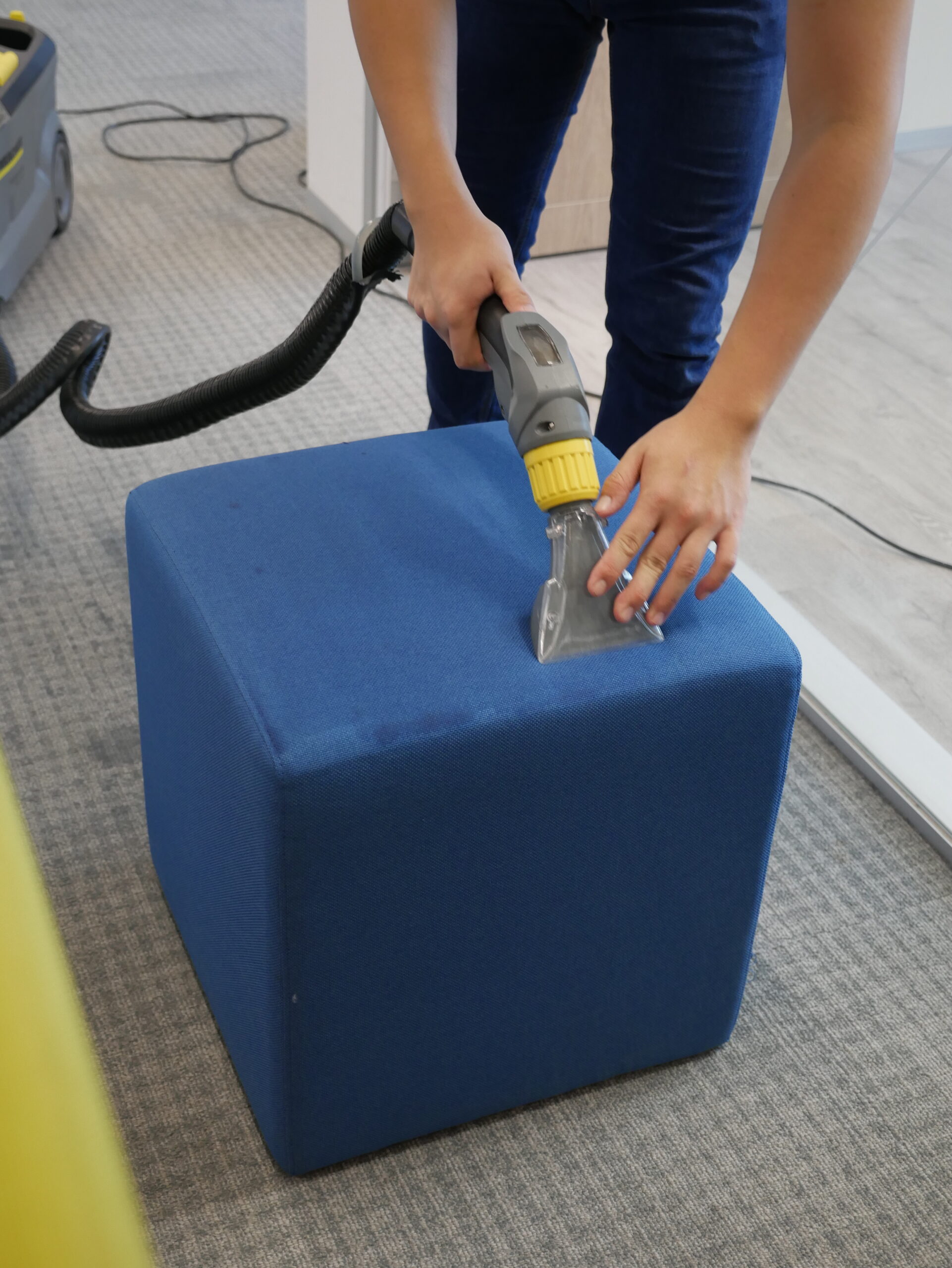
For suitable upholstery, deep extraction can help loosen and remove accumulated residue from the fabric.
However, not every material is appropriate for the same level of moisture or agitation.
This is why professional Sofa Deep Cleaning Singapore is more than simply operating cleaning equipment.
It involves choosing the correct treatment for the upholstery and understanding the limitations of the material.
Why Light-Coloured Sofas Require Different Attention
Cream, beige and light grey sofas are popular choices in Singapore homes because they create a bright and spacious appearance.
However, lighter upholstery can make certain types of staining and discolouration more noticeable.
Repeated contact with clothing and skin may gradually affect heavily used areas. Food stains can also stand out more clearly against pale fabric.
Regular maintenance becomes especially useful because small changes are easier to notice.
Homeowners should vacuum light-coloured upholstery periodically and respond promptly to spills.
It is also worth being cautious about colour transfer from dark clothing or other materials, particularly on pale upholstery.
Professional cleaning may help remove accumulated residue, but permanent dye transfer or discolouration cannot always be reversed.
Dark Sofas Can Hide More Than You Expect
Dark-coloured upholstery is often considered easier to maintain because stains may be less visible.
However, dark fabric can conceal gradual buildup rather than prevent it.
Fine dust may become visible in direct sunlight, while body oils and residue can still accumulate in frequently used areas.
Pet fur may also stand out sharply against certain dark colours.
This means homeowners should not judge sofa cleanliness based entirely on how easily stains can be seen.
Routine vacuuming and periodic inspection remain important regardless of upholstery colour.
How Singapore’s Climate Affects Fabric Maintenance
Singapore’s warm and humid environment makes fabric maintenance an important part of home care.
Many households alternate between natural ventilation and air conditioning. Windows may be opened during cooler periods, while fans and air conditioning circulate indoor air throughout the day.
Fine particles can settle onto upholstered furniture regardless of the fabric type.
Humidity also makes moisture management particularly relevant during professional cleaning.
The objective should be to remove accumulated residue while controlling how much moisture remains within the upholstery.
For suitable fabrics, professional extraction and appropriate drying procedures help manage this process.
At Cleanshades, blow drying is included after sofa deep cleaning to reduce remaining moisture and minimise waiting time before the furniture returns to normal use.
Why DIY Sofa Cleaning Can Sometimes Make Stains Worse
A small stain often encourages homeowners to search for a quick household solution.
Dishwashing liquid, laundry detergent, vinegar and various commercial stain removers are commonly discussed online.
However, products that work well on clothing or hard surfaces may not be suitable for upholstery.
Some cleaning solutions can leave residue, affect colour or create water marks. Excessive rubbing may also damage delicate fibres or spread the stain further.
Another challenge is that upholstery usually contains layers beneath the visible fabric.
Applying too much liquid may allow moisture to penetrate into cushioning or backing materials.
For fresh spills, gently blotting excess liquid is generally preferable to aggressive rubbing.
When the fabric type is unknown or the stain has become established, professional assessment is often the more appropriate option.
Does Sofa Deep Cleaning Singapore Remove Every Stain?
Stain removal depends on more than the cleaning equipment used.
The substance responsible for the stain, its age, the upholstery material and any previous cleaning attempts all influence the outcome.
Some stains respond very well to appropriate treatment. Others may improve without disappearing completely.
Certain marks are not removable contamination at all. They may be permanent colour changes, physical wear or damage to the fibres.
Professional Sofa Deep Cleaning Singapore should therefore involve realistic expectations.
A trustworthy provider should explain the likely outcome after assessing the upholstery rather than guaranteeing complete removal of every stain.
Fabric Sofas in Homes With Children
For families with children, the sofa often serves multiple purposes throughout the day.
It may become a reading corner, play area, snack station and movie seat within a few hours.
This frequent use naturally creates additional maintenance needs.
Food crumbs can settle between cushions, while spills and repeated contact gradually affect the upholstery.
The best approach is not to prevent children from using the furniture.
Instead, homeowners can choose suitable upholstery materials, maintain the sofa regularly and arrange professional cleaning when needed.
A practical maintenance routine allows families to enjoy their furniture while keeping it in good condition.
Choosing Sofa Fabrics for Pet-Friendly Homes
Pets introduce another consideration when selecting and maintaining upholstery.
Some fabrics attract visible fur more readily, while others have textures that can catch claws or make debris harder to remove.
Tightly woven materials may be easier to vacuum than certain loosely woven or heavily textured fabrics.
However, no upholstery is completely maintenance-free.
Pets can bring fine outdoor particles indoors on their coats and paws, while fur and dander may settle onto fabric surfaces.
Regular vacuuming is especially useful around cushion seams and favourite resting spots.
Periodic professional Sofa Deep Cleaning Singapore can provide a deeper refresh for suitable upholstery when ordinary maintenance is no longer sufficient.
How Often Should Different Sofa Fabrics Be Cleaned?
There is no universal schedule that applies to every fabric and household.
Cleaning frequency depends on usage, material, surrounding environment and the condition of the upholstery.
A lightly used linen sofa in a guest room may require less frequent attention than a polyester sofa shared daily by children and pets.
For many households, assessing the sofa every six to twelve months can be a useful starting point.
However, this should not be interpreted as a fixed rule.
Instead, homeowners should look for signs such as accumulated stains, persistent odours, visible dullness or heavy daily use.
The upholstery’s care instructions should also influence how frequently deeper cleaning is performed.
Professional Sofa Deep Cleaning Singapore Before Special Occasions
Festive gatherings, family celebrations and moving into a new home often encourage homeowners to pay closer attention to furniture.
A sofa may appear perfectly acceptable during everyday use but suddenly look tired when the living room is being prepared for guests.
Professional cleaning can help refresh suitable upholstery before these occasions.
However, delicate fabrics and heavily stained furniture may require additional assessment, so scheduling cleaning well in advance is preferable to leaving it until the last moment.
This gives homeowners time to understand the recommended procedure and any drying requirements.
Maintaining Your Sofa Between Professional Cleaning Sessions
Simple habits can make a meaningful difference to upholstery maintenance.
Vacuum the sofa periodically using an appropriate upholstery attachment. Pay attention to seams, cushion gaps and areas underneath removable cushions.
Respond to spills promptly, but avoid aggressive rubbing or applying unfamiliar cleaning chemicals.
Where suitable, rotate removable cushions to distribute wear more evenly.
Keep the sofa away from unnecessary prolonged sunlight exposure where possible, as some fabrics can fade over time.
Most importantly, check the manufacturer’s care instructions before attempting any wet cleaning.
These habits can help maintain the upholstery between professional Sofa Deep Cleaning Singapore appointments.
Think Beyond Your Sofa Fabric
The sofa is only one of several fabric surfaces inside a home.
Curtains, mattresses, carpets, rugs and upholstered dining chairs all interact with the same indoor environment.
However, their materials and cleaning requirements may differ considerably.
A cleaning procedure suitable for a polyester sofa may not be appropriate for delicate curtains or a particular mattress construction.
This is why specialised fabric care should consider each item individually.
If your bedroom furnishings are also due for maintenance, explore Cleanshades’ mattress cleaning service in Singapore.
For broader information about indoor environments and household pollutants, the United States Environmental Protection Agency’s indoor air quality resources provide educational guidance.
Choosing a Professional Sofa Cleaning Service in Singapore
When selecting a cleaning provider, homeowners should consider more than price alone.
Ask whether the company assesses upholstery materials before cleaning, what procedures are available and how moisture is managed.
It is also useful to understand whether stain treatment is included and what results can realistically be expected.
A professional service should recognise that different fabrics have different limitations.
The objective is to achieve effective cleaning while respecting the material being treated.
For homeowners with customised sofas, delicate upholstery or expensive fabric finishes, this assessment becomes particularly important.
Conclusion: Better Sofa Care Begins With Understanding the Fabric
A sofa is more than a piece of furniture. It is a combination of materials, construction and design choices that influence how it should be maintained.
Polyester, cotton, linen, velvet, bouclé and microfibre upholstery can all respond differently to cleaning. Even sofas made from the same general material may require different procedures depending on their backing, dyes and manufacturing treatments.
This is why Sofa Deep Cleaning Singapore should never be approached as a universal washing process.
Understanding your upholstery helps you make better decisions about daily maintenance, stain treatment and professional cleaning.
With suitable care, regular vacuuming and appropriate professional attention, homeowners can keep their sofas looking fresher while respecting the characteristics of the fabric.
The best cleaning method is ultimately the one that suits your sofa.